
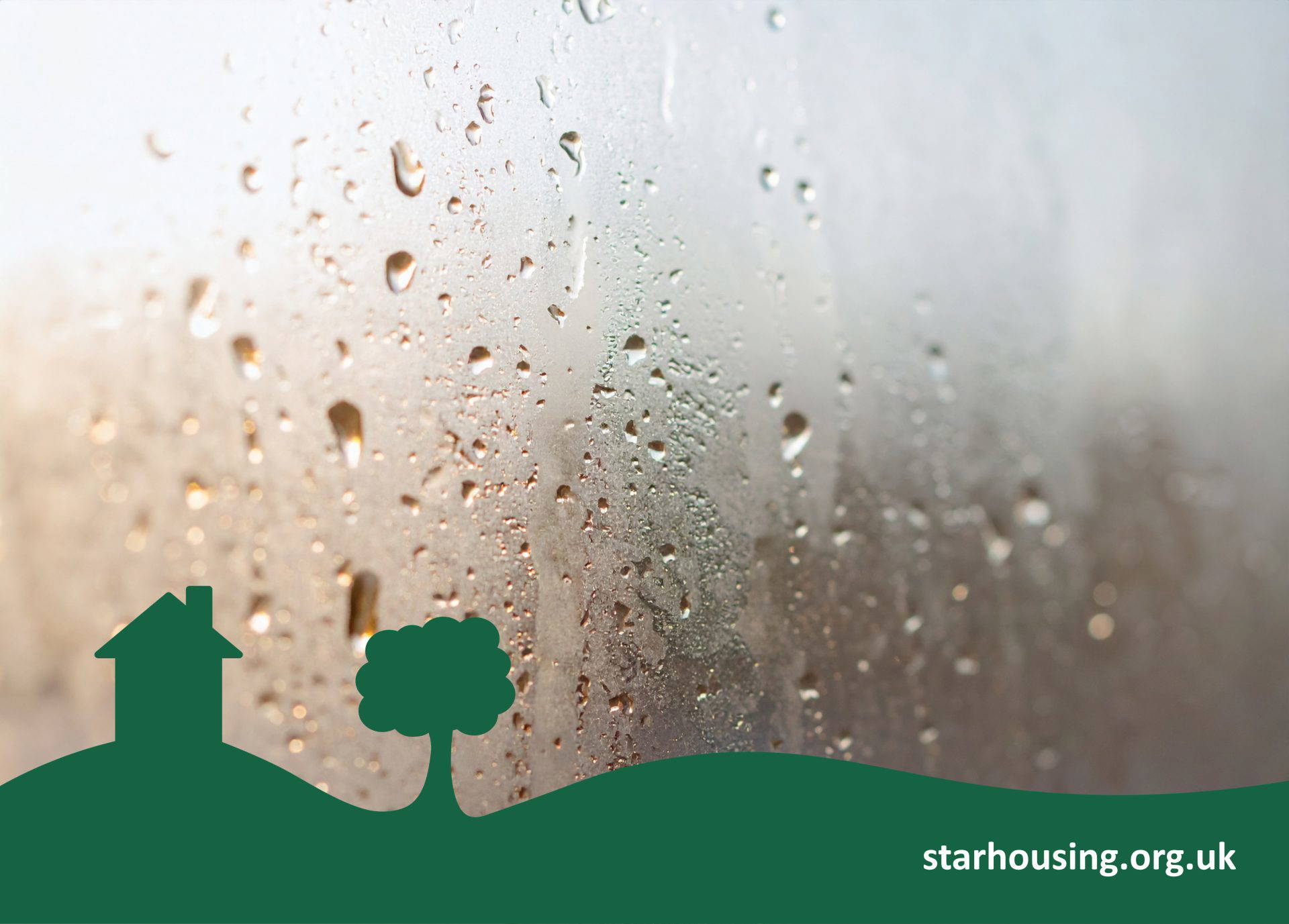
As we move into spring, warmer days and cooler nights can make condensation more noticeable in homes. Taking a few simple steps now can help prevent damp and mould building up over the coming months.
Understanding the difference between condensation and damp can help you spot issues early and get the right support if you need it.
Why condensation can be more common in spring
Condensation happens when warm air meets a cold surface, such as windows or walls. In spring, this often happens overnight when temperatures drop after warmer days.
Everyday activities like cooking, showering and drying clothes indoors can all add extra moisture to the air. If this moisture is not managed, it can lead to mould.
How everyday habits can help reduce moisture at home
In Germany, it has become a normal part of everyday life to open windows fully for a short time each day. Many households do this as a routine, often in the morning, to help keep fresh air moving through the home.
This habit is encouraged because it helps clear warm, moist air that builds up from daily activities like cooking, showering and drying clothes. Replacing it with cooler, drier air can help reduce condensation and lower the risk of mould, especially in well‑insulated homes.
This same approach can work well here too, particularly in spring when opening windows for a few minutes can quickly freshen the air and clear moisture that has built up overnight.
Leaving windows slightly open for long periods does not always remove moisture and can make mould more likely. Opening windows fully for a short time often works better.
What is damp
Damp is different from condensation and is usually caused by a problem with the building, such as a leak or water coming through walls. Damp needs repairing quickly, so please report this as soon as possible.
Simple spring steps to reduce condensation and mould
Spring is a great time to air your home and clear out moisture that has built up over winter. You can help by:
• Wiping moisture from windows and walls, especially in the morning
• Opening windows for a short time each day to let fresh air circulate
• Opening windows slightly when cooking or showering
• Use extractor fans when cooking or showering
• Keeping vents clear so air can move around your home
• Moving furniture slightly away from cold walls
• Drying washing outside when the weather allows or using a tumble dryer
• If drying clothes indoors, use an airer in a well‑ventilated room and open a window slightly
When to contact us
If you have followed this advice and are still worried about damp or mould in your home, please get in touch. We treat reports of damp and mould as a priority and are here to help.
If you are struggling with energy bills or rent, support is available.
📞 Call 0333 321 2200
For more information
Find advice, support and ways to report damp or mould here:
👉 damp-mould-condensation