
Tenancy Agreement Consultation – Summary of Results 

Consultation overview and what happens next

Shropshire Towns and Rural Housing (STAR Housing) carried out a formal consultation on behalf of Shropshire Council to gather tenant feedback on proposed updates to the tenancy agreement. 
All tenants were invited to take part between 13 October and 9 November 2025. Every household received a consultation pack, and responses were accepted online, by post, by email or at our drop‑in sessions. 

What the consultation covered 

We asked tenants for feedback on several proposed updates to the tenancy agreement, including:

How rent is charged 

Moving from a 48‑week cycle to 52 weeks so rent is spread evenly across the year. This removes rent‑clear weeks but lowers the weekly amount tenants pay. 
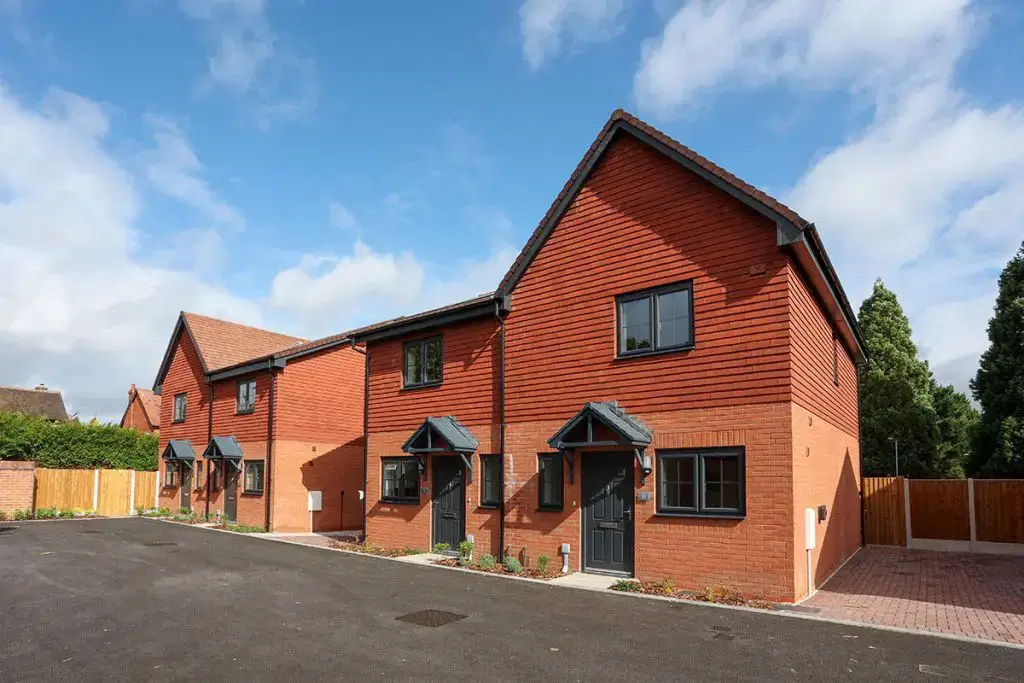
new build houses front view on Racecourse Crescent

Clearer service charges 

Bringing all service charge information together in one place to make it easier to understand. 

General updates 

Improving the wording throughout the agreement to make it clearer, more up to date and in line with current legislation and best practice. 

Following feedback, one of the proposals (Section 3.4 – Repairs, Maintenance and Alterations) was updated to remove certain responsibilities from tenants. This update is included in Appendix 1 of the letter sent to all tenants. 

Thank you to everyone who took the time to share their views.   

You can read the FAQs about the consultation below: 

Frequently Asked Questions (FAQ) 

Following a public consultation in which 94% of tenants supported the proposals, we are updating the tenancy agreement to make it clearer, more consistent and easier to understand. 


Some of the ways we collect rent and service charges were not written down clearly in the previous agreement. The new tenancy agreement has been updated so everything is set out clearly and explained in full. 

Your total yearly rent will not change. 

Historically, we have collected rent over 48 weeks of the year. 
From Monday 6 April 2026, rent will be collected over 52 weeks instead. 

This means there will no longer be four “rent‑clear” weeks. 

Example: 
If your yearly rent is £5,200

  • Over 48 weeks: £108.33 per week (with 4 rent‑clear weeks) 
  • Over 52 weeks: £100.00 per week (with no rent‑clear weeks) 

The yearly total stays the same — £5,200

There are several benefits to moving to weekly payments over 52 weeks: 

  • Customers on benefits don’t usually gain from non‑payment weeks. 
    Because of the way benefits are paid, many tenants don’t get a real advantage from the current non‑payment week system. 
  • It reduces confusion. 
    Non‑payment weeks can be unclear, and some customers mistakenly think they are “free” weeks. Paying every week removes this confusion. 
  • It provides consistency for everyone. 
    All tenants will pay over the same number of weeks each year, making the process simpler and easier to understand. 

Most years have 52 rent weeks, but occasionally the calendar creates a 53‑week year. When this happens, there will be 53 weekly rent charges instead of 52. This usually occurs every 5–6 years.
In a normal year (52 weeks):
You pay your weekly rent as usual.
In a 53‑week year:
There is one additional week of rent to pay, so the total amount you pay that year will be higher by one week’s rent.
Housing Benefit
Housing Benefit normally pays for every week your rent is due, so it will usually cover the 53rd week.
Universal Credit
Universal Credit only covers 52 weeks of rent each year. In a 53‑week year, UC will pay for 52 weeks, leaving one week not covered.

No. Only the way your rent is spread across the year is changing. The way your annual rent increase is calculated is not changing. 

Service charges cover the cost of maintaining and managing communal areas and shared services on your estate or in your building. This can include things like cleaning, grounds maintenance, lighting and other communal facilities. These charges are separate from your rent and help us keep shared spaces to a good standard. 


Service charges are not intended to generate profit. They are based only on the actual cost of providing the service. Social landlords must ensure that all charges offer value for money, meaning services should be efficient, reasonably priced and delivered to a standard that meets residents’ needs. 

We have always calculated service charges on a fixed‑charge basis rather than a variable one. The updated tenancy agreement now explains this more clearly. Fixed charges give tenants more stability and predictability and avoid the uncertainty of variable charges and year‑end reconciliations.


All potential service charges are listed in the tenancy appendix, explaining what each charge may cover. You will only be charged for a service if you receive it. The list simply shows all possible service charges across our homes.


You will only pay service charges if you benefit from communal services such as cleaning, communal lighting, grounds maintenance of shared areas and similar services.


Historically, we collected service charges over 48 weeks of the year.
From Monday 6 April, service charges will be collected over 52 weeks instead.
This means the four clear weeks will no longer apply.

Example:

  • Over 48 weeks: £2.16 per week (with 4 clear weeks)
  • Over 52 weeks: £2.00 per week (with no clear weeks)
  • The yearly total remains the same: £104

Each year, when you receive your rent notification, you will also receive a list of the fixed service charges that apply to your home.

We also plan to develop our internal housing management system to include a service charges module, which will make it easier for you to see your service charges within your rent account.

Fixed Service Charges
Fixed service charges stay the same throughout the year. This makes them more predictable for tenants and protects them from sudden price changes, such as those seen during the recent energy crisis. For example, tenants paying communal energy costs would have been protected in the first year from any spike in energy prices. 

Variable Service Charges
Variable service charges are based on actual costs. Tenants pay an estimated amount at the start of the year, and this is reconciled at the end of the year. Any under‑ or over‑recovery is then charged or refunded. This can lead to unexpected bills or refunds. 

There are two types of service charges:  
Property based service charges which are calculated based on the property and have to be paid, these include: 

1. Property-based service charges

  • These are linked to the property itself and must be paid. They can include: 
  • Communal cleaning 
  • Grounds maintenance 
  • Communal lighting 
  • Lift maintenance 
  • Door entry and access control 
  • Fire safety systems 
  • Caretaking or estate staff 
  • Communal TV aerials or satellite systems 
  • Waste services 
  • Pest control 
  • Communal heating or hot water 
  • Communal parking facilities 
  • Community centres or communal areas (only accessible by a controlled group of tenants) 
  • Sewage 
  • Pond maintenance 
  • CCTV / 24‑hour security (where required) 
  • Communal broadband or Wi-Fi 
  • Maintaining fixed aids and adaptations in the home 
  • Insurance 
  • Intensive housing management 
  • Management company costs 
  • Administration fees 

2. Optional service charges 

These are charges you can choose to opt into. They include: 

  • Gardening Scheme 

During 2024-25 and 2025-26, all communal land maintained by the Grounds Maintenance service and charged as a service was reviewed. The time needed to maintain this land — including grassed areas, trees, shrubs and other communal spaces — was calculated for the full year. 


An hourly rate for the Grounds Maintenance service was then worked out based on the cost of providing the service. The total time required was multiplied by this hourly rate to give the overall cost of maintaining the land for each estate. 

This total cost was then divided by the number of properties on the estate to calculate the service charge per property. 

The Grounds Maintenance team aim to complete around 10 grass cuts during the summer months. They also carry out a winter visit to maintain hedges, trees and other communal areas that need seasonal attention. 

The new tenancy agreement includes a clause (paragraph 3.14.5) about unroadworthy or abandoned vehicles. This is only intended for situations where a vehicle has been left and appears abandoned. 

STAR Housing will not be checking the MOT status of vehicles that are parked correctly and in use. 

Domestic pets are allowed as long as they are not classed as a dangerous breed and do not cause nuisance or damage. Tenants must have written consent to keep a pet.


Section 3.10 of the new tenancy agreement explains the full criteria. If you already have a pet but do not have written consent in place, please contact STAR Housing so this can be arranged, provided your pet meets the requirements of section 3.10. 

No. When the new tenancy agreement comes into force on 6 April, you will automatically move over to it. A copy will be sent to you by post for your information. 

This is why we held a consultation. We wanted to hear your views before Shropshire Council made a final decision. 


A total of 94% of tenants who took part supported the proposed updates. Based on this, the recommendation to approve the new tenancy agreement was sent to Shropshire Council, and the changes were formally approved at a Council meeting on Thursday 26 February 2026. 


The new tenancy agreement will come into effect on 6 April 2026. 

Yes. Although removing the non‑charge weeks will not increase the amount of rent you pay, you may still need to adjust how you budget. 


Our Income Team can offer support and guidance to help you manage your bills. They are here to help and can speak to you over the phone or visit you at home — whichever you prefer. 

You can contact the team by calling 0333 32 12 200 and selecting option 2, or by emailing rents@starhousing.org.uk.

Yes. If you are worried about the affordability of your new rent or service charge costs, our Income Team can offer support and guidance. Where appropriate, they can also look at whether you may be eligible for help through our Hardship Fund. 

Overall Response Rates 

A total of 3,771 tenants were consulted

 Number of responses Supported proposals Neutral/unspecified Rejected proposals 
Responses received 538 (14%) 313 89 136 
No response received (treated as accepting all proposed changes) 3,233 (86%) 3,233 – – 
Total 3,771 (100%) 3,546 (94%) 89 (2%) 136 (4%) 
  • Key findings from the 538 responses 

Awareness of rent‑clear weeks 

  • 79% (427) knew about the four rent‑clear weeks. 

Understanding of no annual rent increase 

  • 83% (444) understood this. 

Preferences for rent payments 

  • 94% preferred rent to be charged over 52 weeks. 
  • 4% preferred to keep the 48‑week cycle. 
  • (No response is treated as accepting the 52‑week proposal.) 

Impact of moving to 52 weeks 

  • 60% said it would have little or no impact. 
  • 3% said it would have a significant impact. 

Budgeting 

  • 19% plan major spending around rent‑clear weeks (e.g. Christmas or Easter). 

Support 

  • 7% may need extra help, mainly with budgeting, Universal Credit changes or setting up Direct Debit payments. 

Other comments 

  • 7% shared views about wider tenancy issues, including service charges, repairs responsibilities, parking, pets and succession rights. 

About the people who responded 

Age (488 responses) 

  • 65–74: 26% 
  • 75–84: 23% 
  • 55–64: 16% 

Around two‑thirds of respondents were aged 65 or over. 

Long‑standing illness or disability (506 responses) 

  • Yes: 53% 
  • No: 35% 
  • Prefer not to say: 6%

Reported conditions included mobility, breathing and mental health related issues. 

Employment status (498 responses) 

  • Retired: 53% 
  • Working full time: 11% 
  • Unemployed: 8% 
  • Many retired respondents rely on pensions or benefits, so predictable payments are especially important. 

What do I need to do? 

Self-payers 
If you pay your rent yourself (you don’t receive benefits to help with your rent), it’s your responsibility to make sure your payments are updated. 

If you receive Housing Benefit paid to you 
You need to tell Shropshire Council about the change. 

If you receive Housing Benefit paid directly to us 
We will notify Shropshire Council for you. You don’t need to do anything. 

If you receive Universal Credit 
You must update your online Universal Credit journal using your usual link to the Department for Work and Pensions. 

You can only do this from Monday 6 April 2026, not before. 

You will need to update two things: 

  • Your new weekly rent amount (this will be shown on the rent letter you receive in March 2026) 
  • Confirm that weekly rent is charged over 52 weeks 

If you do not update your journal, you may receive less housing support than you are entitled to. 

How do I notify the Department for Work and Pensions of the changes affecting my Universal Credit? 

Do not lose out on benefits — make sure you update your journal. 
If you receive Universal Credit and do not update your journal, you may lose money you are entitled to. 

From 6 April 2026, you need to update: 

  • Your weekly rent amount, using the figure in the letter we sent you in March 2026 
  • Your rent frequency, changing it from 48 weeks to 52 weeks 

How to update your Universal Credit journal 

  1. Log in to your online UC account: https://www.gov.uk/sign-in-universal-credit 
  1. Go to ‘Report a change’ 
  1. Select ‘Where you live and what it costs’ 
  1. Choose ‘Something else’ 
  1. You’ll then be asked four questions: 
  1. When did this change occur? 
    Enter: 6 April 2026 
  1. New rent amount per week? 
    Enter the amount shown on the letter we sent you in March 
  1. Do you have any rent‑free weeks? 
    Select NO 
  1. New service charge amount? 
    Enter the amount shown on the letter we sent you in March 

You have until the end of April to make these updates. 

If you do not update your journal, you could lose out on up to four weeks of Universal Credit payments

Further Comments 

If you’d like to comment on this preliminary notice, you can write to the postal address in your letter (click here to view letter online) or email consultation@starhousing.org.uk by Sunday 29 March 2026

Comments received by this date will be considered before a final decision is made about varying the tenancy agreement. 

What happens next 

This section highlights that the updated agreement will replace your current one. 

Shropshire Council approved the confirmed changes to the tenancy agreement on 26 February 2026

A formal Notice of Variation will now be issued. 
You won’t need to sign a new tenancy agreement — the updated agreement will automatically replace your current one. 

The new tenancy agreement will take effect from 6 April 2026

If you need this information in another format or would like support with any of the confirmed changes, please get in touch with us.