
Helping prevent damp, mould and condensation in your home
No one wants damp or mould in their home, especially during colder, wetter months when condensation is more common. Understanding the difference between condensation, which can lead to mould, and damp can help to prevent and treat issues early.
A warm, well-ventilated home is the best defence, but we know heating costs can be a worry. If you’re struggling with energy bills or rent, please contact us -support is available.
Condensation and Damp – Spotting the Difference
Condensation
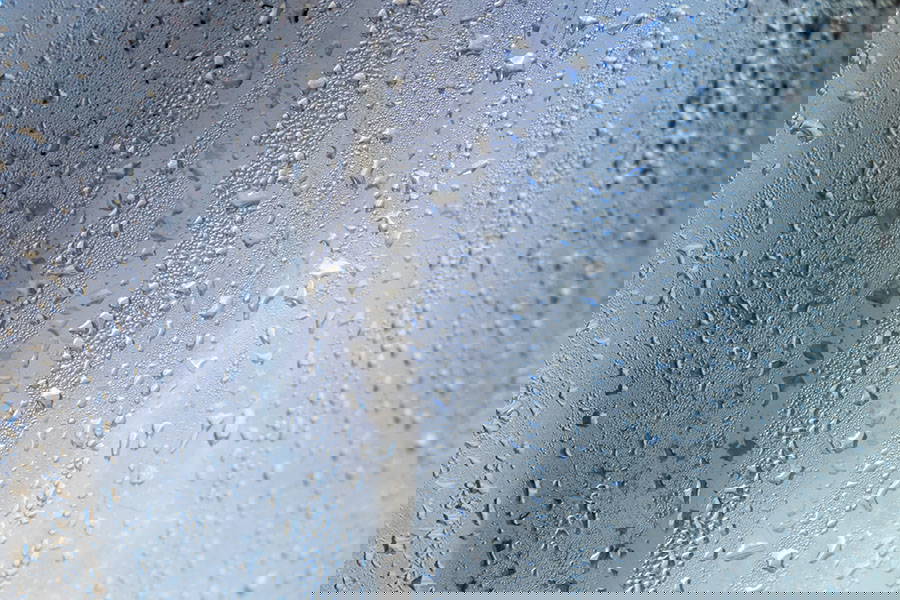
Condensation happens when warm, moist air meets a cold surface—like steam on a bathroom mirror. Everyday activities like cooking, boiling a kettle, or showering can cause it, especially in winter when windows stay shut and ventilation is reduced. Small amounts are normal, but if left unmanaged, condensation can lead to mould, which may affect your health.
Mould
Condensation can lead to mould growing in your home. This can damage walls, window frames, furniture, and even clothes and fabrics. Mould produces spores that cause the musty smell often linked to damp houses. The best way to deal with mould is to clean it off using a fungicidal wash, following the manufacturer’s instructions.
What can you do?
There are simple steps you can take to reduce condensation. Check out our helpful handy tips guide and video to find out how to spot the signs, prevent build-up, and treat affected areas.
If you’ve followed the advice and still notice mould, please report it. We’re here to help. Call us on 0333 32 12 200 or complete this form.
Damp
Damp can be caused by a leak or a structural issue, which allows moisture to enter from outside. It often shows as tide marks or patches on walls. Left untreated, it can lead to peeling paint, crumbling plaster, and a musty smell.
Over time, damp can damage building materials and encourage mould growth, posing health risks. Identifying the source – whether rising damp, penetrating damp, or condensation – is key to effective treatment and long-term prevention.
What can you do?
Please report any signs of damp to us immediately.
Need help?
We treat reports of damp and mould as a priority.
See Awaab’s Law: What it means to you
If you’re concerned, please contact us: